



Sometimes, the better team simply wins. That is not always easy to admit, especially when your heart has spent years convincing itself that desire can bend reality. But Spain were the best team in this tournament. They did not just beat opponents, they slowly dispersed them. Rodri controlled games with a calm that bordered on inevitability and every passing lane seemed anticipated before it existed, every transition suffocated before it gathered breath. France, perhaps the most complete side on paper, were made to look ordinary. Argentina, eventually, were too.
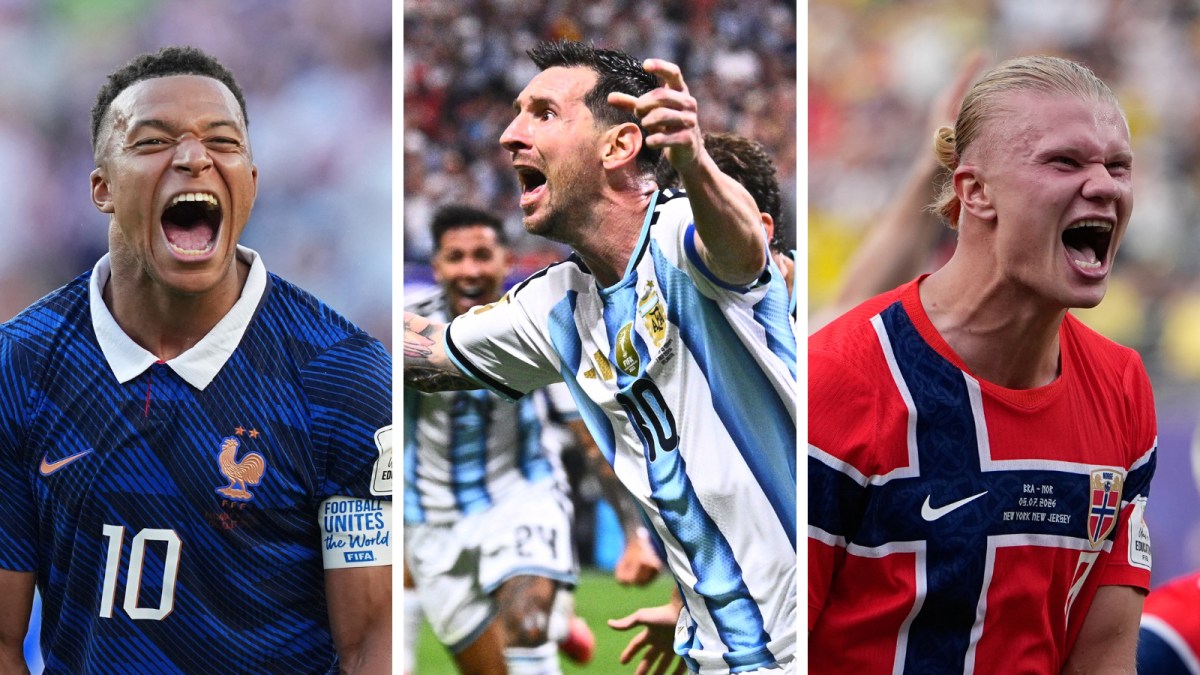
There is no shame in losing to a team like that. What hurts is not the defeat itself. It is the ending of something that had become quietly beautiful. This Argentina was never the most gifted collection of footballers. Strip away Messi and there were few players who would walk into the present world eleven. They were not a dynasty in the making. They were not the France of 1998 or Germany of 2014. They were something rarer.
They were ordinary men who had learned to believe extraordinarily. That belief carried them through Qatar in 2022. It carried them again here. Time after time, they found reserves that logic could not explain. They trusted Messi’s genius, yes, but just as importantly, they trusted each other. Somewhere along the way, they became more than the sum of their parts. That is one of football’s oldest miracles, that a team can briefly become greater than its talent.
Spain took that miracle apart with remarkable precision. Messi was denied space, denied rhythm, denied the little pockets from which entire matches used to bloom. The midfield was pinned back. Scaloni recognised what was unfolding and did what a coach would do. He adjusted. He tried to preserve shape, rotated his fullbacks, hoped for one fleeting transition or the lottery of penalties. After Enzo’s red card, hope itself became defensive. The objective was no longer victory, it was survival.
Perhaps that is why so many conversations afterwards have revolved around fouls, cards and sportsmanship. I have never fully understood that discomfort. Football has always been a contact sport, but more than that, it has always been a human sport. These matches carry histories older than the players themselves. The Falklands linger whenever Argentina meet England. Former colonies face former empires with memories that no tactics board can erase. Politics, grief, pride and history often arrive before kick off.
And then there are the players. Paredes is only 32 and Enzo 25. They are young men asked to carry the emotional weight of millions. Sometimes they produce moments of breathtaking beauty, Enzo’s curling finish against England, Paredes throwing his body into one last impossible tackle. Sometimes they foul. Sometimes they lose their heads.
All of that belongs to football. A foul is not an act outside the game. It is part of its language, carrying its own cost within the laws. We rarely question tactical fouls when they come dressed in the polish of ‘La Masia’ or the rehearsed machinery of Manchester City. We are less forgiving when they emerge from the chaos of South American football, where instinct often arrives before calculation. Perhaps that says more about us than about the game.
Football has never been a contest between saints but between people. And perhaps that is why this Argentina mattered. Not because they always played the prettiest football. Not because they always deserved to win. But because, for a little while, they reminded us that belief could still compete with perfection. That a team without the greatest collection of players could still become unforgettable through loyalty, sacrifice and one extraordinary captain who convinced everyone around him that the impossible was simply another task.
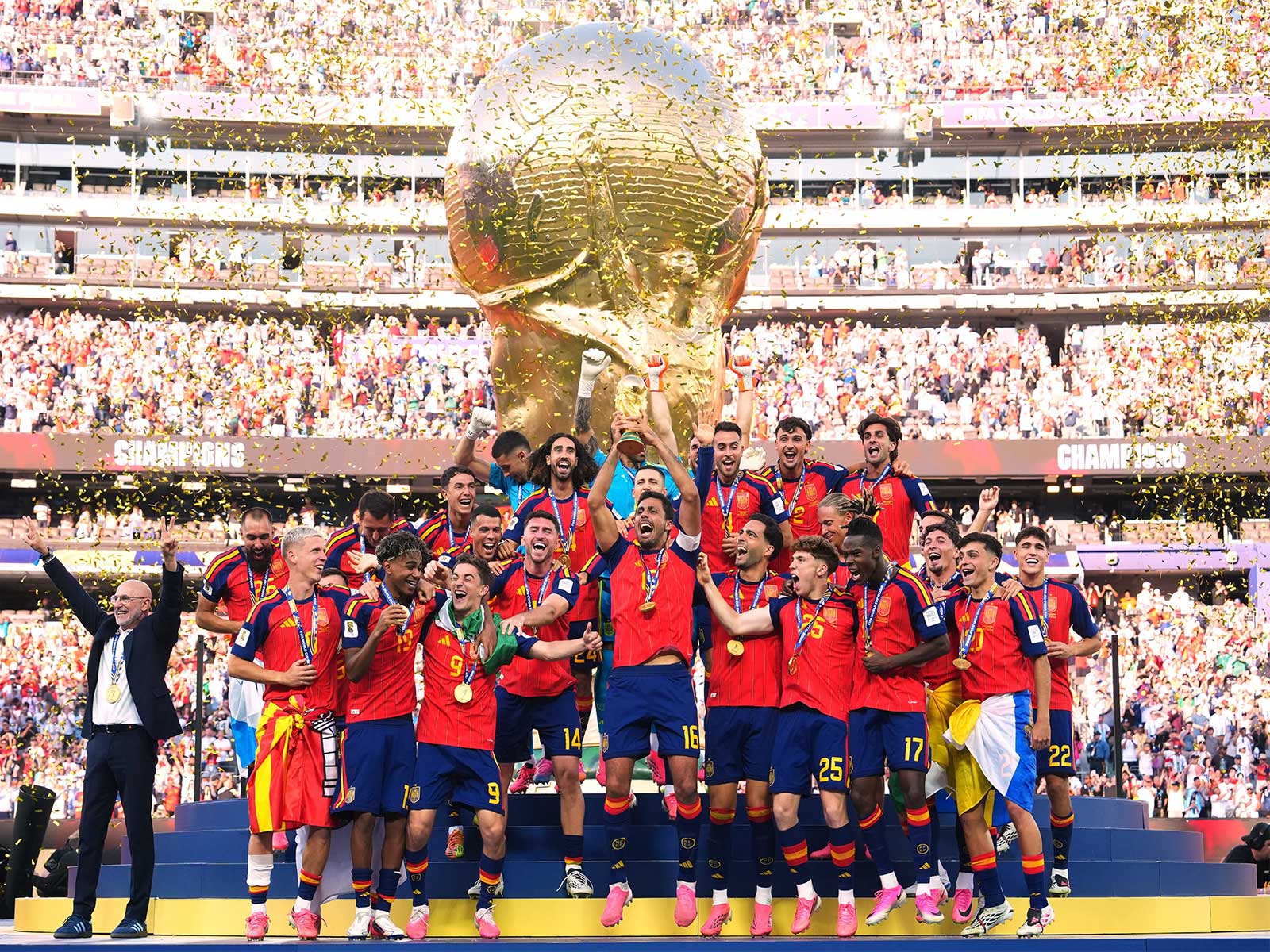
Spain deserved the trophy and they were the finest team in the tournament. There is no bitterness in admitting that. They found answers to every question football asked of them.
But trophies are only one way we remember teams. I will remember this Argentina for something less tangible. I will remember a group of players who were never the most gifted, never the most complete, and yet somehow became more than the sum of their parts. I will remember the impossible belief they placed in one another, and in the little man who had taught them, over the better part of two decades, that football could still make room for miracles. They reminded us that greatness is not always measured by perfection, sometimes it is measured by how far ordinary people can stretch themselves in pursuit of something they may never reach.
Every story must eventually meet its ending. Legs grow heavier and spaces close more quickly. Time, undefeated as ever, quietly takes back what it once so generously gave. And yet there is something profoundly human about refusing to surrender to that knowledge. About walking onto the pitch one more time, not because victory is certain, but because the struggle itself is worthy. That, more than the medals, is what I will carry with me from this team. They were not the best. They were the second best. But they played as though belief itself could bridge the distance between the two.
Perhaps Tennyson had them in mind, though he wrote of another voyage and another age:
We are not now that strength which in old days
Moved earth and heaven, that which we are, we are;
One equal temper of heroic hearts,
Made weak by time and fate, but strong in will
To strive, to seek, to find, and not to yield.
Aravindan S. S
Aravindan S. S. is an Assistant Professor of English at Government Arts and Science College, Tavanur. His debut short film, KYC*, has been officially selected for several national and international film festivals and was awarded the Special Jury Mention at the 16th Panchajanyam International Film Festival.


No Comments yet!