
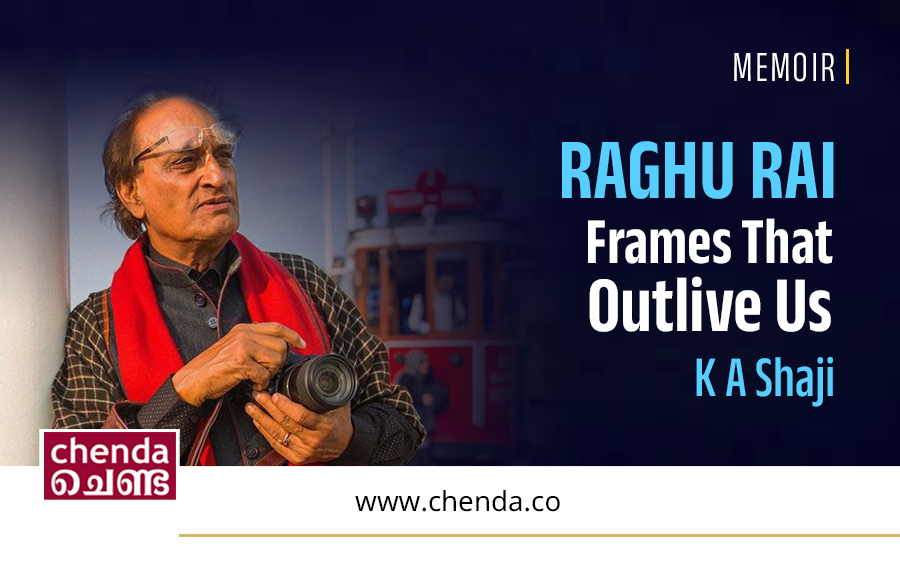

I met Raghu Rai for the last time nearly four years ago at the Mascot Hotel, along with Lakshmi Rajeev. He had come for the release of a coffee table book on Thiruvananthapuram, a work done jointly by him and Lakshmi. After the formal launch and the usual round of speeches, we sat down for a quieter conversation. That is when he spoke about a dream that now feels unbearably incomplete.
He wanted to photograph Kerala as it truly exists beyond the postcard clichés, the unseen Kerala, and create a body of work that would push people to explore deeper layers of what we call God’s Own Country. I did not hesitate. I offered to stand with him, to help him move across the state, to connect him with people, to translate, to travel alongside if needed. He accepted it with that quiet warmth he always carried. Today, as I read the news of his passing, I am left thinking of that project which will now remain only as a desire we could not fulfil.
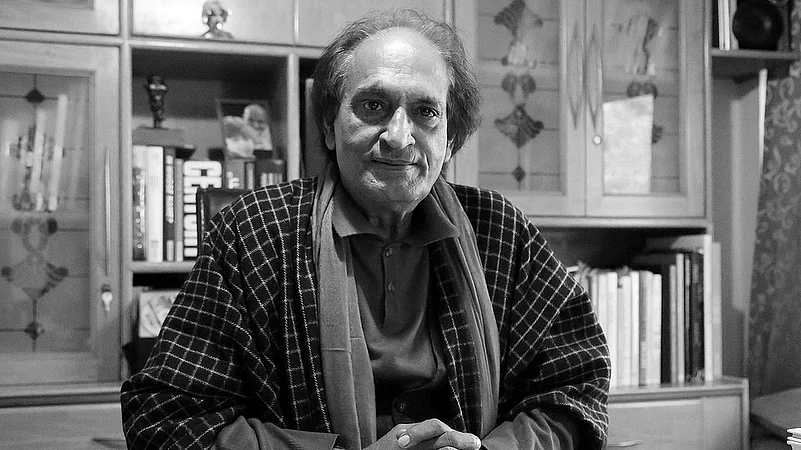
My memories of him go much further back. I travelled with him in 2008 to Rameswaram when he set out to photograph and document the lives of Sri Lankan Tamil refugees during one of the most violent phases of the ethnic conflict. We moved through Dhanushkodi, Pamban and later to Point Calimere near Nagapattinam. Watching him work was an education no classroom could offer. He did not intrude. He listened, he waited, and he allowed people to trust him. There was no staging, no drama. Moments unfolded, and he was ready for them.
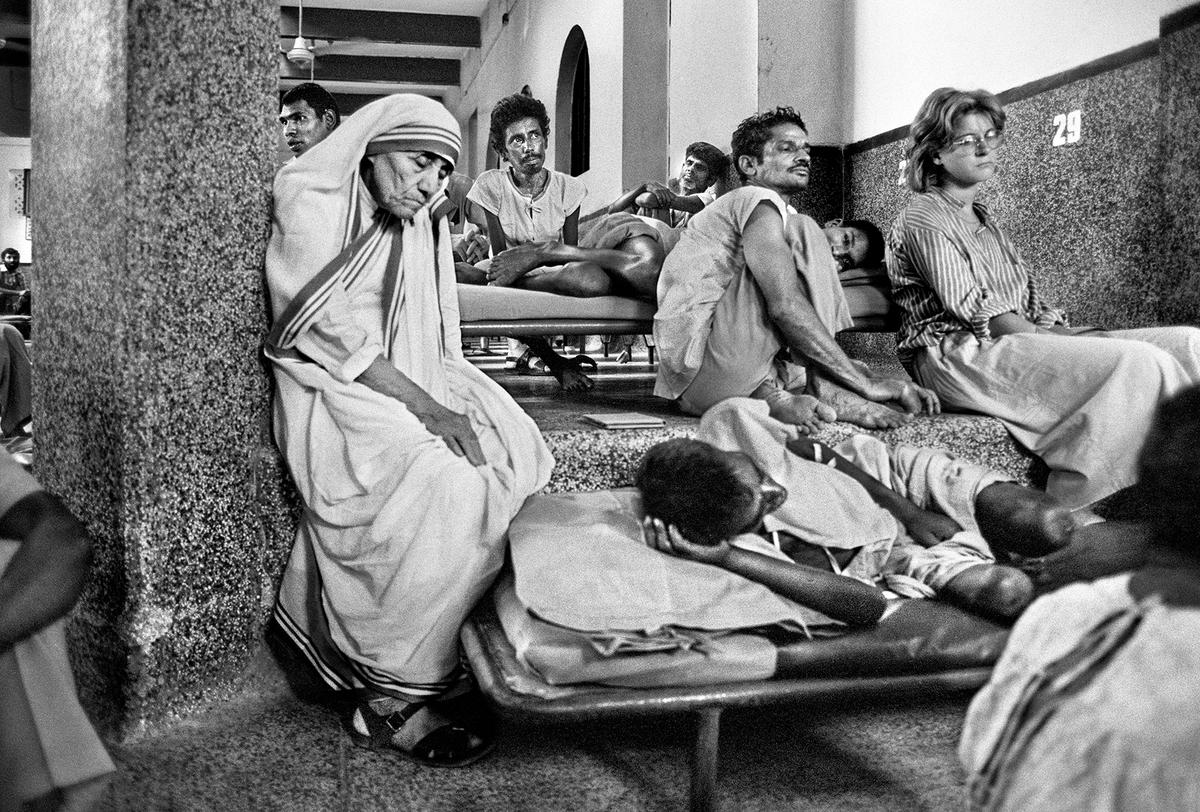
My engagement with his work began much earlier. In October 1984, as a school student, I saw his unforgettable photographs of the public mourning and cremation of Indira Gandhi after her assassination. Those images still remain etched in my mind, transcending time and standing as a measure of what photography can achieve.
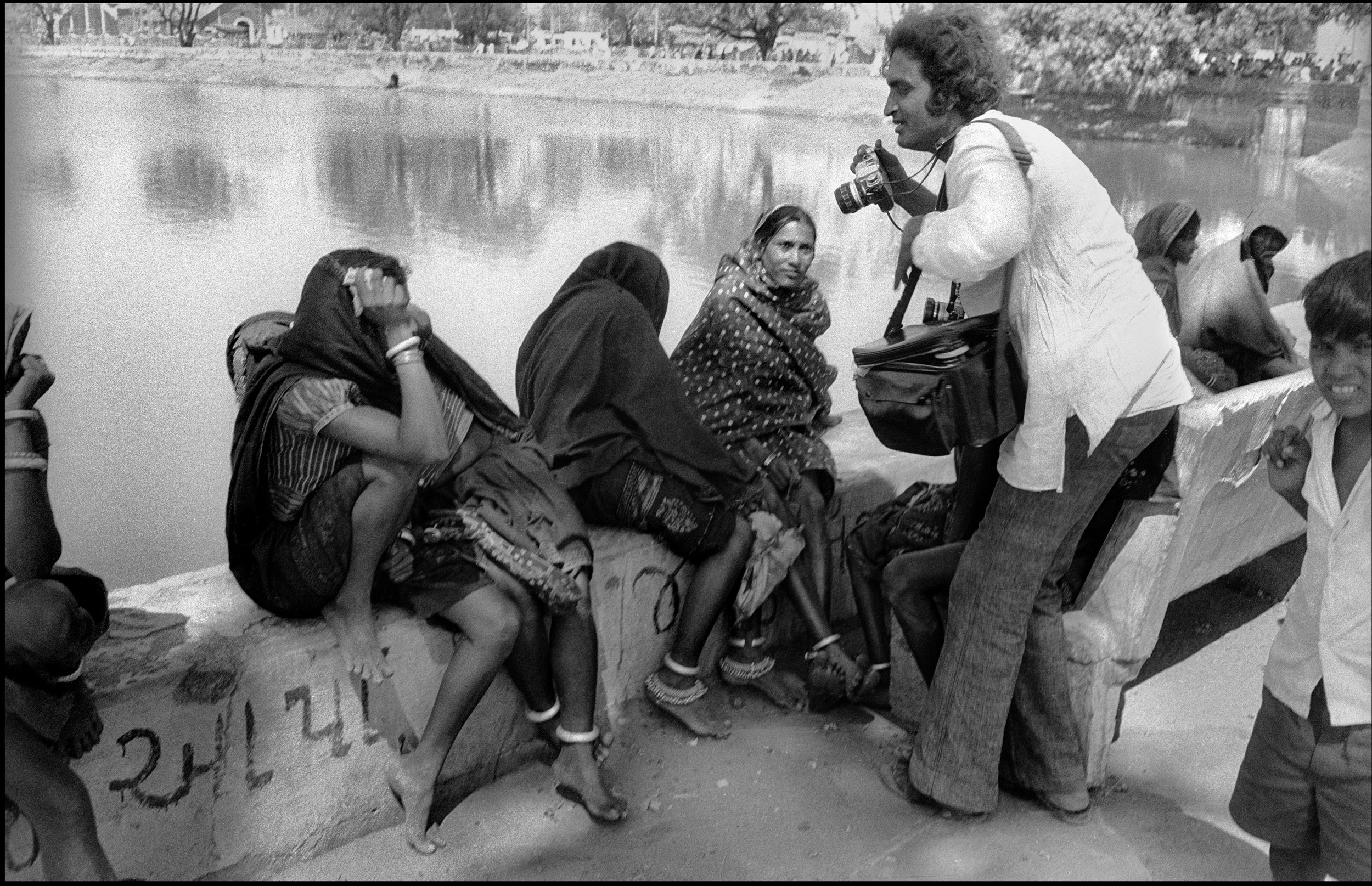
Over the years, I grew into an admirer of a generation that redefined Indian photojournalism, people like Prashant Panjiar and Pablo Bartholomew, whose work expanded the scope of visual storytelling in publications such as India Today, Outlook and Frontline. But Raghu Rai always stood apart.
I met him for the first time in 2006 at the India Habitat Centre during the National Media Fellowship winners’ meeting organised by National Foundation for India. He spoke to us about his long engagement with the Bhopal Gas Tragedy.
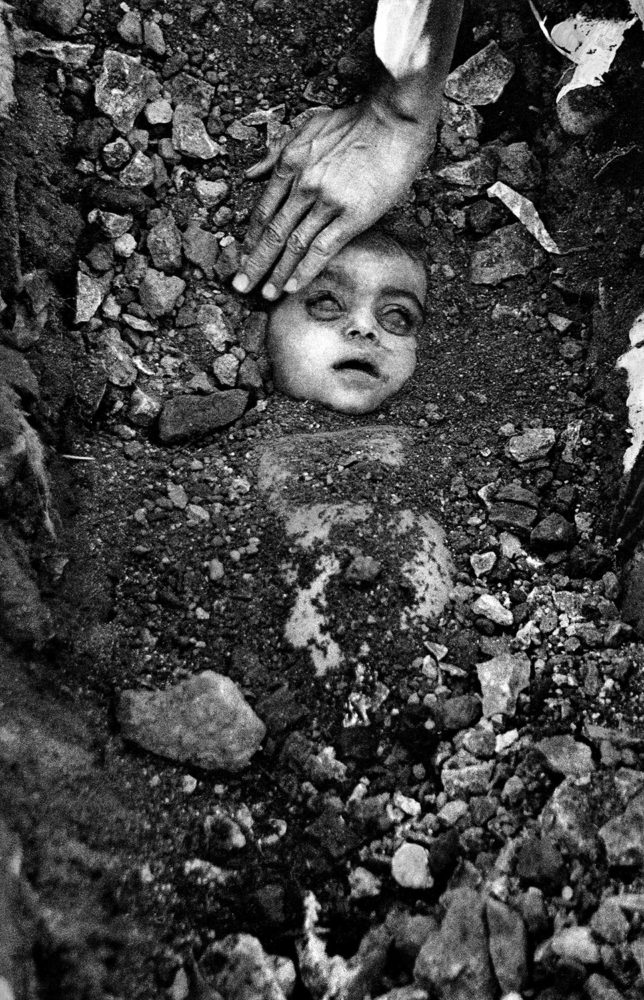
By then, his work had gone far beyond reporting. He had immersed himself in photographing and documenting the disaster and its continuing impact on survivors. His collaboration with Greenpeace resulted in Exposure: A Corporate Crime, along with exhibitions that travelled across continents, carrying the voices of those still living with the consequences.
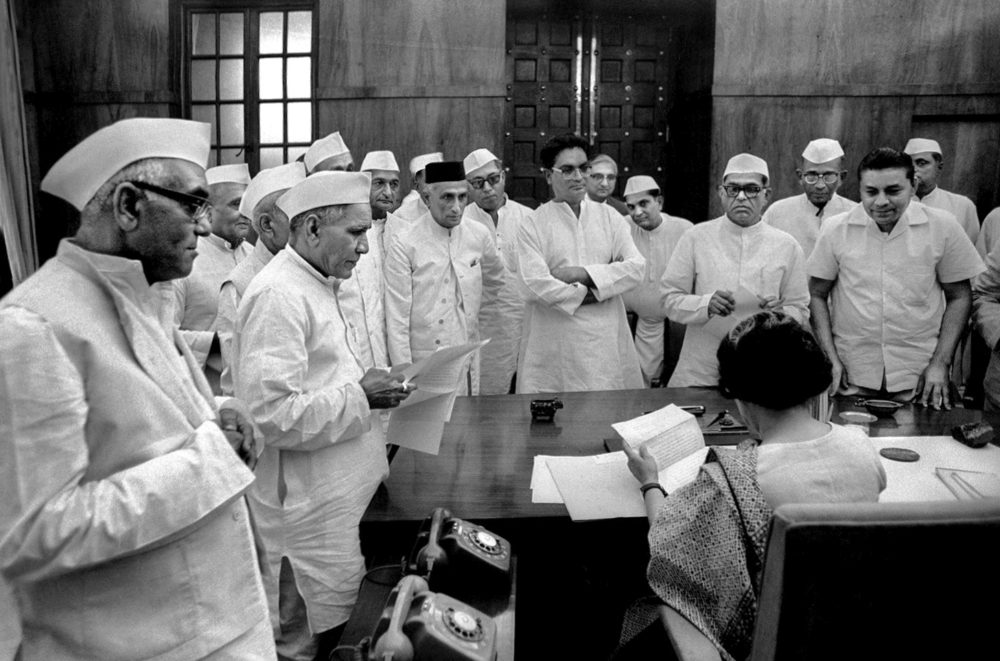
He took us through those photographs himself, frame by frame, explaining not just what we saw, but what we needed to understand. It was not about images alone. It was about bearing witness.

That is how I remember him. Grounded. Gentle. Deeply empathetic. A man with strong socio-political convictions, but never loud about them. He believed in people, and that belief shaped every frame he created. It is hard to say goodbye to someone who shaped how I see the world.
Tearful adieu, Raghu Rai. Some of your frames will outlive all of us.
***



No Comments yet!