


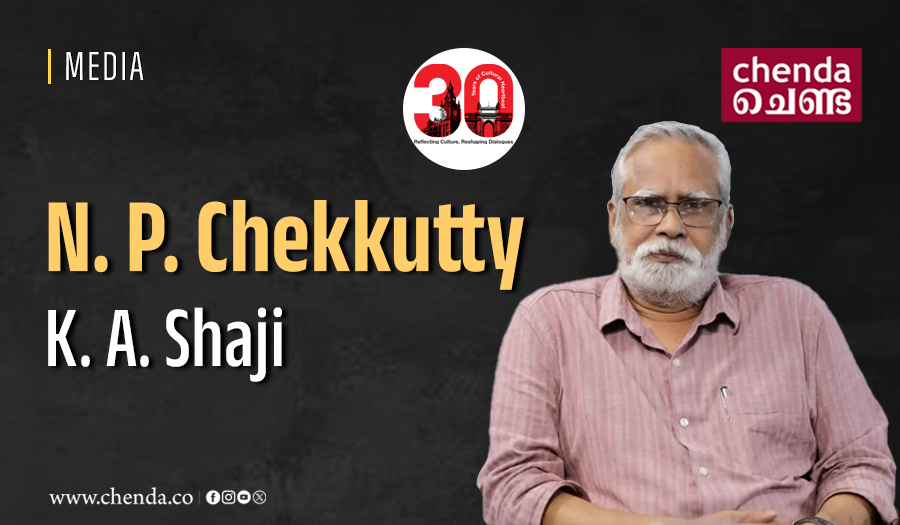
In my early years in journalism, N. P. Chekkutty stood before many of us not merely as a senior journalist but as living proof that intellect, courage, and relentless struggle could defeat the barriers of caste, poverty, and social exclusion. Emerging from the historically marginalised Thiyya community of Malabar, he fought his way into the national journalistic landscape and became one of the most respected political reporters from Kerala. For young reporters like me, his writing in The Indian Express was a school in itself.
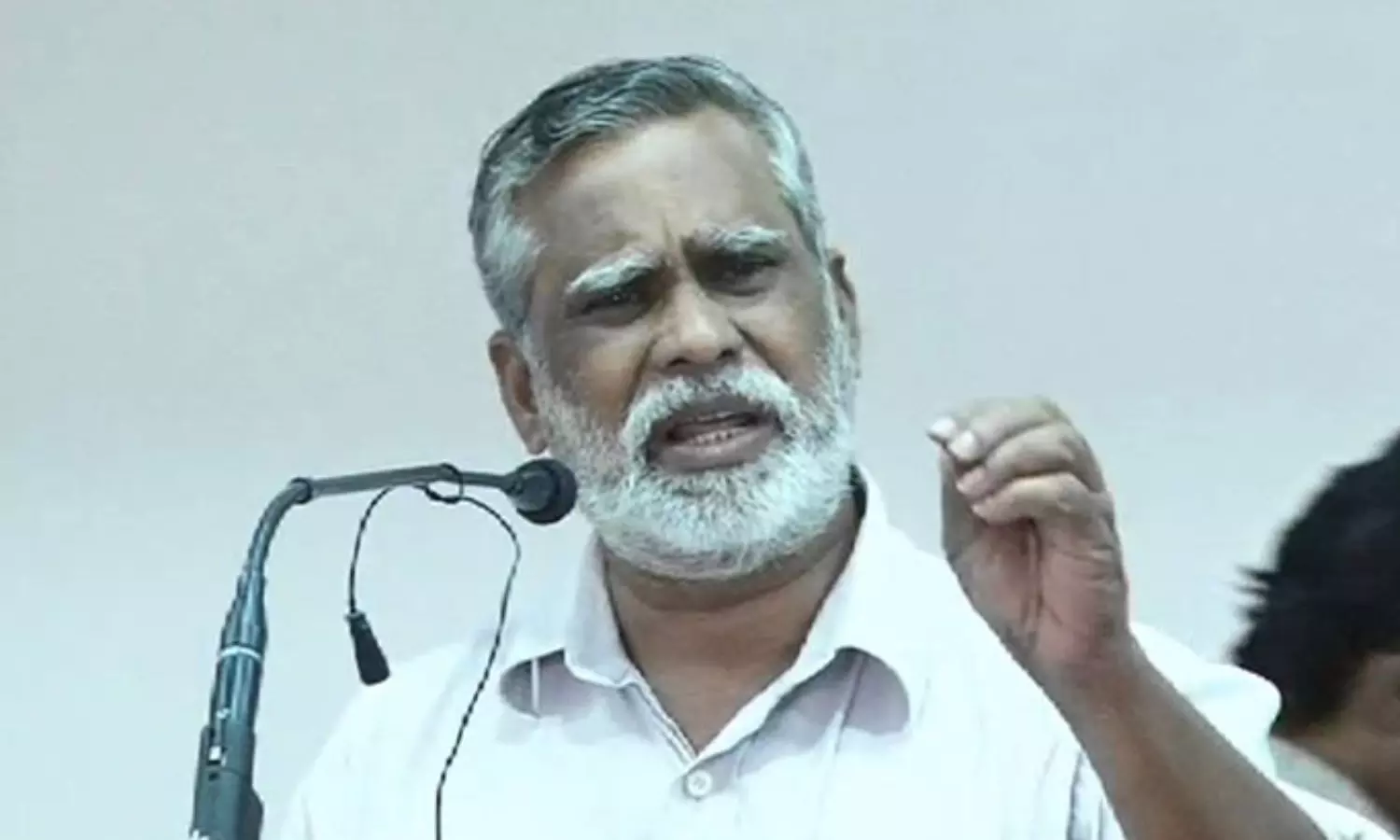
His political analysis was sharp, unsparing, and deeply rooted in the social realities of Malabar. His grasp of Left politics, minority concerns, Dalit and tribal struggles, and the region’s historical transformations was formidable, often leaving younger journalists wondering how one individual could read society with such clarity. When I briefly worked under him in the Kozhikode bureau after completing my journalism course, I realised that his authority came not from position but from intellectual discipline and lived experience.
Soon after, he was entrusted with building the news and current affairs division of the newly launched Kairali TV, an ambitious media experiment created with the contributions of ordinary CPI(M) workers and sympathisers. The responsibility was handed to him by the then party state secretary Pinarayi Vijayan, and Chekkutty laid the professional foundation that gave the channel early credibility before stepping away. Those who knew his earlier years often spoke of the extraordinary struggles behind that journey. As a student leader who rose through the ranks of SFI, he became the first chairman of the Calicut University Students’ Union.
In the early days of his career at Deshabhimani, he reportedly slept on benches at the party office in Kozhikode because he could not afford accommodation. Yet hardship never diminished his intellectual ambition. He remained deeply engaged with history, especially contemporary political movements, communal tensions, and the ideological battles shaping India. His research on the Nilakkal unrest with historian K. N. Ganesh, his intellectual engagement with the People’s Planning Campaign, and his scholarly work, including his book on British cemeteries in the Nilgiris, reflected a mind that refused to be confined to routine journalism.
And today, this very journalist, who built his career fighting injustice and defending democratic rights, is being casually abused and branded by organised online mobs of Kerala’s ruling party who know neither his history nor his contribution. Ever since he served as editor of the now-defunct Thejas, sections of politically motivated supporters of Pinarayi Vijayan have chosen to erase decades of professional integrity and reduce him to a convenient target.
Those who shout the loudest appear least informed that Thejas, whatever the debates surrounding its ownership, functioned as a professionally run newsroom that employed journalists from across communities and backgrounds. They also conveniently forget his consistent public advocacy for civil liberties, including his vocal support for individuals such as Siddique Kappan, Alan Shuhaib, and Thaha when due process and democratic rights were at stake.
The recent television debate in which CPI(M) spokesperson Dr. P. K Gopan openly labelled Chekkutty a Muslim terrorist, even after repeated corrections from fellow panellists and the anchor, was not just an insult directed at one individual. It was a moment that exposed how dangerously degraded public discourse has become. The spectacle of a veteran journalist being forced to plead that he belongs to the Thiyya community and should not be branded a Muslim terrorist revealed something deeply disturbing about the times we are living in.
When reasoned criticism is answered with reckless branding, when ideological disagreement is met with personal vilification, and when long public service is erased by shouting matches, democracy itself begins to shrink.
What we are witnessing is not merely the harassment of N. P. Chekkutty. It is the steady normalisation of a political culture that fears independent voices and therefore tries to silence them through intimidation, distortion, and organised abuse. Those who attack him today may believe they are defending a political camp, but in reality, they are weakening the very democratic traditions that once allowed dissent, debate, and intellectual disagreement to flourish in Kerala.


No Comments yet!